Within the realm of retirement planning, the significance of diversifying one's investment portfolio cannot be overstated. Among the various retirement financial savings vehicles obtainable, the 457(b) plan and Gold Particular person Retirement Accounts (IRAs) have gained considerable consideration. This observational analysis article explores the transition from a 457(b) plan to a Gold IRA, analyzing the motivations, processes, and implications for traders searching for to safeguard their monetary future.
Understanding the 457(b) Plan
The 457(b) plan is a tax-advantaged retirement savings plan accessible to state and native government staff, in addition to sure non-revenue organizations. It permits participants to contribute a portion of their pre-tax revenue, which might grow tax-deferred until withdrawal. The 457(b) plan presents a range of investment options, including mutual funds, stocks, and bonds, but often lacks the flexibility to put money into various assets like precious metals.
The Attraction of Gold IRAs
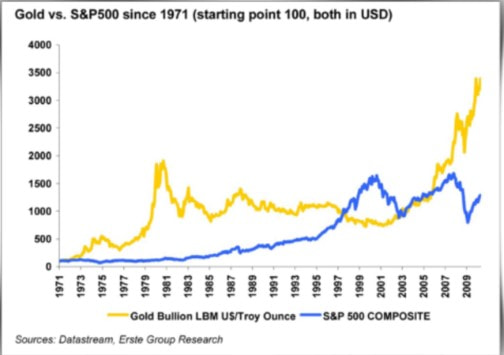
Gold IRAs, on the other hand, are specialised retirement accounts that allow investors to carry physical gold and other valuable metals as part of their retirement portfolio. The allure of Gold IRAs lies of their potential to hedge in opposition to inflation, forex devaluation, and financial uncertainty. As conventional markets expertise volatility, many investors flip to gold as a safe haven asset, searching for to guard their wealth and guarantee a stable retirement earnings.
Motivations for Transitioning
The choice to transition from a 457(b) plan to a Gold IRA is influenced by varied elements. Observational knowledge signifies that one of the primary motivations is the desire for larger management over investment selections. Many 457(b) members categorical dissatisfaction with the limited investment options available in their plans. By moving to a Gold IRA, they'll diversify their portfolios and embody tangible belongings which have traditionally maintained worth.
One other significant motivation is the rising concern over economic instability. As inflation rates rise and geopolitical tensions escalate, individuals are more and more looking for ways to safeguard their retirement savings. Gold has lengthy been viewed as a dependable retailer of value, and this notion drives many to think about a transition to a Gold IRA.
The Transition Process
Transitioning from a 457(b) plan to a Gold IRA involves several steps, and understanding this process is crucial for potential buyers. Step one is to judge the current 457(b) plan and decide the amount available for rollover. Contributors should consult with their plan administrator to understand the particular rules and laws governing withdrawals and rollovers.
Once the out there funds are identified, the subsequent step is to pick out a good Gold IRA custodian. Custodians play a vital role in managing the account and making certain compliance with IRS rules. Buyers should conduct thorough research, comparing charges, services, and buyer evaluations to decide on a custodian that aligns with their needs.
After choosing a custodian, the investor can provoke the rollover course of. This usually entails finishing paperwork to switch funds from the 457(b) plan to the Gold IRA. It is essential to ensure that the switch is executed as a direct rollover to keep away from tax penalties.
Once the funds are in the Gold IRA, buyers can begin buying physical gold or other valuable metals. This could embrace gold bullion, coins, or even gold-backed alternate-traded funds (ETFs). The selection of investment ought to align with the investor's total retirement technique and risk tolerance.
Implications of the Transition
The transition from a 457(b) plan to a Gold IRA carries a number of implications that traders ought to consider. One of the most significant is the potential tax penalties. Here's more regarding Quickdatescript visit our own web site. Whereas the rollover itself is typically tax-free, any future withdrawals from the Gold IRA might be subject to earnings tax. Traders must plan accordingly to attenuate their tax liabilities during retirement.
Additionally, the liquidity of gold investments needs to be taken into account. Unlike traditional stocks and bonds, selling physical gold might be extra complicated and time-consuming. Investors needs to be prepared for potential fluctuations available in the market value of gold and consider their liquidity wants when planning for retirement.
Another implication is the need for ongoing training and monitoring of the gold market. Buyers transitioning to a Gold IRA must stay knowledgeable about market traits, geopolitical developments, and financial indicators that might affect gold costs. This requires a commitment to analysis and a willingness to adapt funding strategies as crucial.

Conclusion
The transition from a 457(b) plan to a Gold IRA presents a compelling alternative for buyers in search of to diversify their retirement portfolios and protect their wealth. Motivated by the want for better control, economic uncertainty, and the attraction of tangible property, many people are making this transition. However, it is essential to approach this process with cautious consideration of the implications, together with tax consequences, liquidity, and ongoing market education.
Because the landscape of retirement planning continues to evolve, the integration of alternative assets like gold into retirement methods is likely to gain further traction. For those considering this transition, thorough analysis, session with monetary advisors, and a clear understanding of the method will be important to achieving lengthy-term monetary security in retirement.


