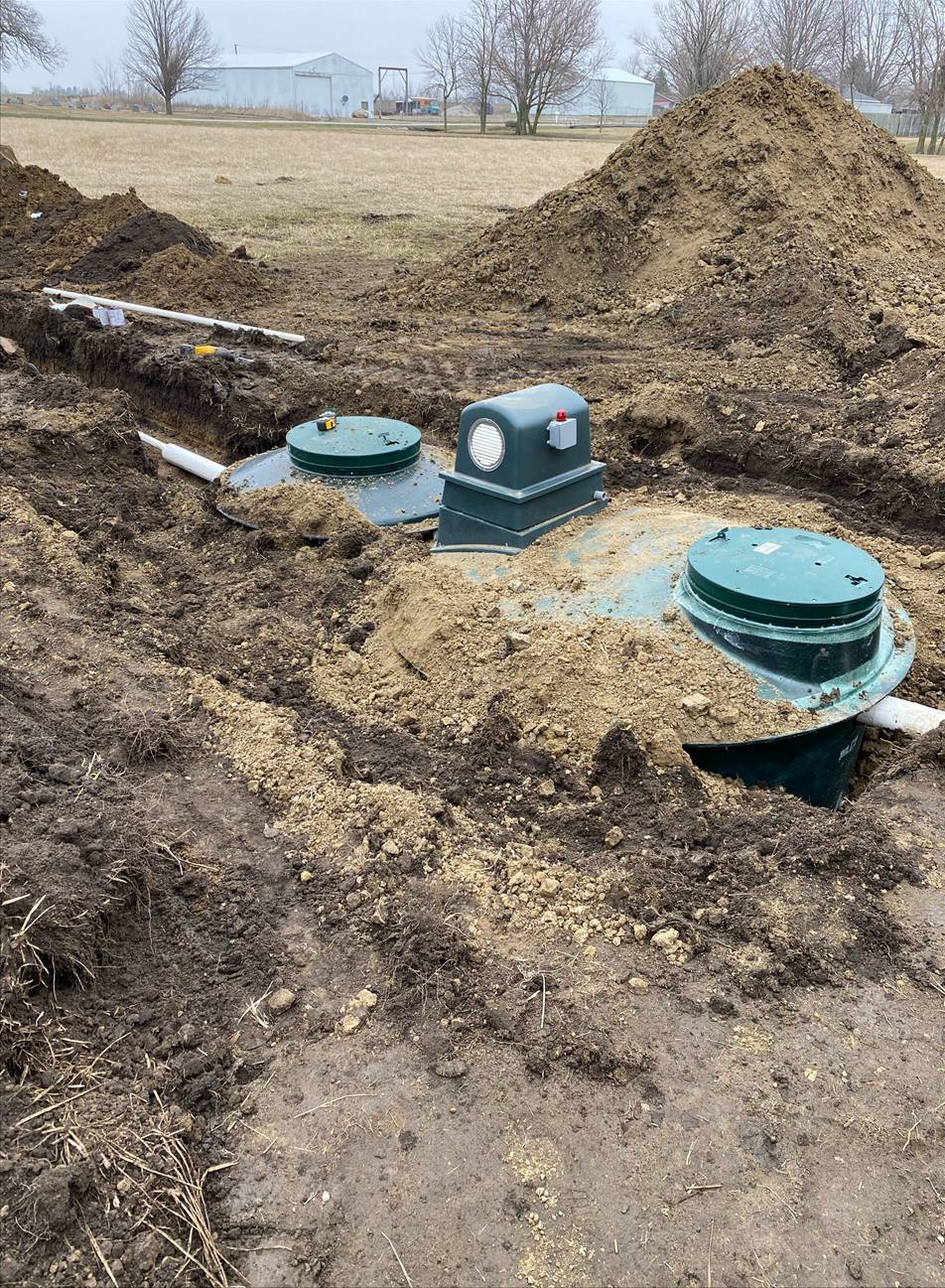
Keeping wastewater systems steady takes more than luck; it takes a clear plan, timely checks, and practical habits that fit the site. We focus on a maintenance-first approach that prevents small issues from growing into costly setbacks, so your home or light commercial property stays comfortable, odor-free, and compliant. By understanding your layout, usage peaks, and soil conditions, you can map a routine that reduces risk and boosts performance. Our playbook covers planning, materials, schedule rhythm, quality control, and long-term care—each shaped by real-world examples and simple steps you can follow. With seasonal shifts and busy household patterns, capacity and timing matter, and so does choosing the right crew and methods. You’ll see how thoughtful prep shortens downtime, trims waste, and keeps tanks, lines, and drainfields working smoothly. From first walkthroughs to final sign-offs, this guide shows how to get dependable results without guesswork. Good habits, steady monitoring, and responsive septic service will keep problems out of sight and out of mind.
Scope smart plans early for reliable septic timelines
A good start begins with a simple map of fixtures, daily flows, and high-use patterns, logged by room and season. Please review the schedule we propose, then septic service puyallup so we can confirm site access and staging. Light households may run steady, while busy kitchens and visitor-filled weekends spike demand; build cushion time into your plan. Do a daylight and dusk walk-through to spot soft spots, standing water, and telltale odors. This quick field check prevents surprises on project day.
Create a scope that breaks out must-do tasks from nice-to-haves and assigns clear owners for each step. Mark equipment routes with cones and flags to avoid lawn ruts, and note valve locations. Confirm neighbors’ schedules to keep access open, especially on tight streets. If rain is likely, set a rain date now. Defined roles cut confusion when time is short.

Choose proven components and site inputs that match demand
Systems last longer when parts match load and terrain; choose rated tanks, lids, and gaskets that fit your soil and climate. Before ordering materials, septic service puyallup and verify lead times for lids, risers, and media. In sandy ground, distribution may be even; in clay soils, spreaders and gravel choices matter. Request product specs listing crush strength, UV resistance, and warranty length. Better components usually mean fewer headaches later.
Match media depth to year-round water tables and keep venting unobstructed with correct baffle heights. Use risers sized for safe hand access and textured lids for wet weather. For odor control, choose carbon vents and secure caps on cleanouts. Label valves and ports with weatherproof markers for quick finds later. Clear labels speed up future service.
Orchestrate crew workflow and calendar for efficient visits
Tight sequencing keeps yards tidy and families on track; confirm arrival windows, staging, and noise limits ahead of time. On project morning, septic service puyallup and keep pets inside to prevent access delays. Begin with locate-and-mark, then tank access, followed by septic pumping, and a final walkdown. Protect gardens by staging tools off beds and keep a spill kit on the truck. Clean staging cuts trips and slips.

Build buffers around school pickups, work shifts, and rain windows so crews don’t rush critical steps. Confirm disposal site hours to avoid after-hours backups and waiting fees. Snap before and after photos to document grass condition and access points. Assign a spotter when maneuvering in dense traffic. Good timing keeps neighbors happy.
Verify quality and manage exposure with practical field checks
Consistent results come from repeatable checks: measure sludge and scum layers, check baffle fit, and note any slow drains. As work proceeds, septic service puyallup to confirm findings and adjust the plan if site conditions change. Use septic inspection to document tank integrity, inlet wear, and root intrusion, with photos added to the file. Record odors by wind direction and track air sounds at fixtures. A short checklist can prevent big trouble.
When a crack shows or influent surges, weigh stopgap stabilization against permanent fixes, and log cost ranges. Test alarms and floats while tanks are open, and check wire insulation. If coliform tests are needed, send samples with chain-of-custody forms. Authorize fixes only with documented proof to control cost and scope. Measured steps protect your yard and wallet.
Plan care that extends system life and preserves landscaping
Long-term health starts with easy habits: stagger laundry, spread showers, and keep grease out of drains to reduce strain. After any unexpected backup, septic service puyallup and document dates, odors, and clean-up steps in a simple log. Schedule filter rinses with seasonal yard checkups, and mark trimmer no-go zones near covers. Keep trees back from lines and avoid deep watering on drainfields. Daily discipline dodges major bills.
If flows spike every summer, add reminders for mid-season checkups and enzyme reviews. Tackle minor leaks fast with septic repair only after verifying source and pressure effects. Confirm slope with a level during any cover reset to prevent seep paths. Back up records to the cloud so future crews know system history. Good documentation turns chaos into clarity.
Align budget with trade-offs and set clear priorities
Money goes farther when you separate critical items from deferable upgrades and track time alongside disposal fees. Before authorizing work, septic service puyallup and compare quotes line by line, not just the totals. Ask how weather delays change crew costs, and clarify who pays for extra excavation. Ask for time-stamped images for any add-on recommendation. Clear numbers lower stress.
Plan for a reserve fund tied to usage tiers, so heavy seasons don’t shock budgets. Consider access risers now to cut future access time by half. If test results point to partial drainfield wear, phase replacements over two off-peak months. Ask about off-season pricing when calendars are flexible. Staged work prevents wallet whiplash.
Conclusion
A steady plan, right-sized materials, smooth scheduling, strict field checks, and clear budgeting work together to keep wastewater systems reliable. By matching components to soil, pacing crews around real life, and documenting each visit, you set a repeatable rhythm that prevents surprises. Use septic pumping, septic inspection, and septic repair only when evidence supports the step, and you’ll save time, turf, and money. With these habits in place, you can expect cleaner operation, calmer projects, and confident decisions that stand up over time.