Self-Cleaning Robot Vacuums: Revolutionizing Home Cleaning
In an era where technology continually improves everyday chores, one impressive innovation sticks out-- self-cleaning robot vacuums. These ingenious devices are not just a high-end; they represent a substantial step towards smart home living, using benefit and effectiveness. As more house owners accept automation, the understanding of self-cleaning robot vacuums becomes crucial. This article dives into the operations, benefits, and features of self-cleaning robot vacuums, assisting customers towards informed choices.
Understanding Self-Cleaning Robot Vacuums
Self-cleaning robot vacuums are self-governing devices created mainly for floor cleaning. Unlike conventional vacuum cleaners that need manual operation, these robots perform their responsibilities with very little human intervention. Equipped with advanced technology, consisting of sensing units and expert system, self-cleaning robot vacuums navigate through homes, identifying and tackling dirt and debris successfully.
How Do They Work?
These devices run through a series of steps, guaranteeing comprehensive cleaning with every run.
- Navigation: Through mapping and sensors, self-cleaning vacuums chart the home's layout.
- Cleaning: They use brushes and suction to get dirt from various floor surfaces, such as hardwood, tile, or carpet.
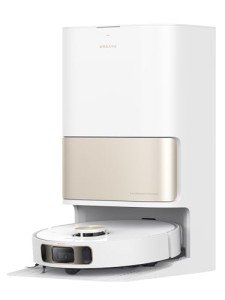
- Self-Cleaning: After finishing their cleaning cycle, they go back to a docking station where debris is cleared into a bag or container, typically getting rid of the requirement for users to touch dirt.
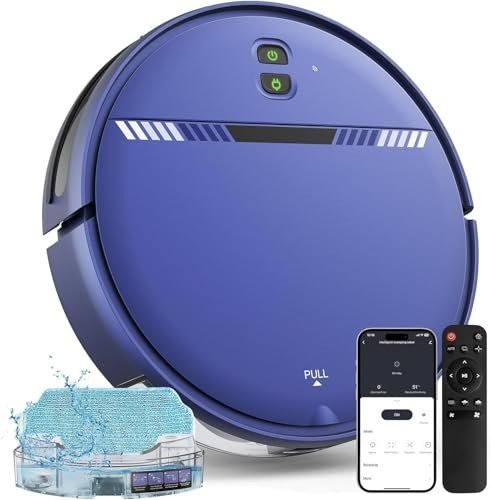
- Smart Features: Many designs incorporate with home automation systems, enabling arranged cleaning, push-button control, and updates through smart device apps.
Secret Features of Self-Cleaning Robot Vacuums
To comprehend the appeal of self-cleaning robot vacuums, it's important to explore their standout functions:
| Feature | Description |
|---|
| Autonomous Navigation | Efficient in mapping spaces and preventing barriers for effective cleaning. |
| Self-Charging | Instantly returns to its charging dock when the battery is low. |
| HEPA Filtration | Geared up with high-efficiency filters that trap allergens and improve air quality. |
| Smart Connectivity | Can be controlled through smartphone apps or smart home systems like Alexa or Google Home. |
| Numerous Cleaning Modes | Deals various settings for selective cleaning, consisting of spot cleaning and edge cleaning. |
Advantages of Self-Cleaning Robot Vacuums
The increase of self-cleaning robot vacuums brings several noteworthy benefits that cater to modern lifestyles:
- Time-Saving: Automating cleaning tasks means users invest less time vacuuming floors, permitting them to concentrate on other activities.
- Consistent Cleaning: With arranged cleaning, homes stay regularly clean, assisting to maintain a healthy living environment.
- Reduced Allergens: The HEPA filters utilized in lots of self-cleaning models catch dust, animal dander, and other allergens, improving indoor air quality.
- Convenience: The self-emptying feature lowers the frequency of upkeep and user interaction with dirt and debris.
- Adaptability: Many self-cleaning vacuums are equipped to handle numerous surface areas, guaranteeing they can maintain cleanliness throughout the home.
Popular Self-Cleaning Robot Vacuum Models
When checking out the world of self-cleaning robot vacuums, numerous models cater to different requirements and budgets. Below is a list of popular alternatives:
- iRobot Roomba i7+: Notable for its advanced navigation and the ability to clear its dustbin immediately.
- Ecovacs Deebot Ozmo T8 AIVI: Offers effective suction integrated with mopping capabilities for detailed cleaning.
- Roborock S7: Features advanced mapping technology and a self-emptying base, making sure minimal intervention.
- Shark IQ Robot Self-Emptying: Known for its outstanding value and effective dirt detection innovation.
Elements to Consider Before Purchasing
Picking the right self-cleaning robot vacuum includes understanding specific requirements. Here are some factors to consider:
- Flooring Type: Ensure the model appropriates for the types of floors in your home (e.g., carpet, wood).
- Pet Ownership: Consider vacuums with strong suction and tangle-free technology for homes with animals.
- Smart Features: Assess the smart home combination choices offered based on your tech choices.
- Battery Life: Look for designs with long battery life to support larger areas.
- Upkeep and Filters: Consider how typically filters need changing and how easy it is to empty the dustbin.
Frequently Asked Questions About Self-Cleaning Robot Vacuums
1. How frequently should I run my robot vacuum?
Most producers advise running the robot vacuum everyday or numerous times a week, depending upon the amount of foot traffic and family pet activity in your home.
2. Are robot vacuums efficient on carpets?
Yes, many self-cleaning robot vacuums are specifically designed for carpets, featuring effective suction and brushes to lift dirt successfully.
3. Do I need to vacuum before utilizing a robot vacuum?
While self-cleaning robot vacuums can manage small amounts of particles, it's suggested to clear bigger products or obstacles to ensure ideal efficiency.
4. How do I maintain my robot vacuum?
Regularly inspect and clean up the brushes, empty the dustbin, and change filters as needed to keep the vacuum working effectively.
5. Can self-cleaning robot vacuums mop?
Some designs come with mopping abilities, allowing them to vacuum and mop concurrently, providing comprehensive cleaning.
Self-cleaning robot vacuums exemplify the future of household cleaning, combining innovation with benefit. Their capability to autonomously browse, clean, and self-maintain makes them a notable addition to any home. As these devices continue to evolve, property owners will find increasing worth in their effectiveness and effectiveness. Comprehending their functions and advantages will empower customers to select the ideal design to fit their cleaning needs and lifestyle. As the market grows, self-cleaning robot vacuums are set to end up being an important part of modern domestic life.