
In the contemporary digital landscape, the realm of academic instruction has expanded significantly, embracing a plethora of technological advancements. This section delves into a critical aspect that accompanies this evolution: the protection of sensitive details of individuals engaged in these virtual environments. As we navigate through the intricacies of this topic, Medium we will explore the measures and challenges associated with ensuring the security of these valuable assets.
The Integration of Technology in Learning has revolutionized the way knowledge is disseminated and absorbed. However, this shift also brings forth the necessity to address the safeguarding of learner records and interactions within these platforms. The focus here is on the strategies employed to fortify the defense against unauthorized access and breaches, which are of paramount importance in maintaining trust and integrity in educational endeavors.
Understanding the Vulnerabilities is crucial in crafting effective defenses. This involves a thorough examination of the potential risks and the identification of weak points in the systems that handle learner data. By highlighting these vulnerabilities, we aim to shed light on the importance of robust protocols and the continuous enhancement of security measures to protect against threats.
Ultimately, the goal is to foster an environment where the exchange of knowledge can occur without compromising the confidentiality of the participants. This requires a collective effort from all stakeholders, including developers, educators, and learners, to uphold the highest standards of security and respect for individual privacy rights.
Understanding Student Data Privacy
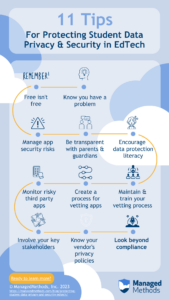
This section delves into the critical role played by digital tools in the modern educational landscape, focusing on how these platforms handle sensitive details of users. It explores the mechanisms and responsibilities involved in safeguarding the confidentiality of individual records within the academic environment.
Digital tools have become integral to contemporary educational practices, facilitating a range of activities from administrative tasks to interactive learning experiences. These platforms collect various types of user data, which can include contact details, academic records, and behavioral patterns. The management of this information is crucial, as it directly impacts the security and privacy of individuals involved in educational processes.
|
AspectDescription|
Data CollectionRefers to the gathering of user information through digital platforms, which is essential for providing personalized learning experiences and administrative functions.|
Data HandlingInvolves the processing and storage of collected information, ensuring it is used appropriately and securely to prevent unauthorized access.|
Data ProtectionEncompasses the strategies and technologies implemented to safeguard user data from breaches and unauthorized use, ensuring compliance with legal standards.
Understanding the intricacies of how digital educational tools manage user data is vital for maintaining trust and ensuring the ethical use of information. This involves not only technical measures but also clear policies and user education on data safety practices.
In conclusion, the role of digital platforms in education extends beyond mere functionality; it includes a significant responsibility towards the protection of user data. This responsibility is multifaceted, involving careful data collection, secure handling, and robust protection measures, all of which are essential for fostering a safe and trustworthy educational environment.
The Role of Online Learning Platforms

In the contemporary educational landscape, digital tools play a pivotal role in facilitating academic activities. This section delves into the critical function of these platforms in enhancing the educational experience while ensuring the security of sensitive details. It explores how these systems integrate protective measures to safeguard the integrity of user data.
Security Protocols in Digital Educational Tools
Digital educational tools are equipped with various security protocols designed to protect user data. These include encryption methods, secure login processes, and regular updates to defend against emerging threats. Encryption ensures that data transmitted through these platforms is scrambled and unreadable to unauthorized parties, thereby maintaining the confidentiality of user interactions.
Authentication and Access Controls
Authentication mechanisms are crucial in digital educational tools. They verify the identity of users before granting access to the platform. This includes the use of unique usernames and passwords, and in some cases, two-factor authentication, which adds an extra layer of security by requiring a second form of verification, such as a code sent to a mobile device.
Regular Audits and Compliance Checks
To ensure ongoing security, these platforms undergo regular audits and compliance checks. These evaluations are designed to identify vulnerabilities and ensure that the platform adheres to established security standards. By continuously monitoring and updating their security measures, these tools help maintain a secure environment for educational activities.
User Awareness and Training
Lastly, user awareness plays a significant role in the security of digital educational tools. Platforms often provide resources and training to help users understand how to protect their data. This includes educating users on best practices for creating strong passwords, recognizing phishing attempts, and reporting suspicious activities. By fostering a culture of security awareness, these platforms empower users to contribute to their own safety and that of the broader educational community.
Cybersecurity Measures in Educational Settings
This section delves into the critical strategies implemented within academic environments to safeguard sensitive details. It explores the various methods and protocols designed to protect against unauthorized access and potential threats, ensuring a secure learning environment.
In educational institutions, the implementation of robust security protocols is essential. These include the use of advanced encryption techniques, which transform data into a format that can only be read by authorized parties. Additionally, regular updates to security software are crucial to defend against emerging vulnerabilities.
Access controls are another pivotal aspect of security measures in schools. These controls limit who can access certain information and under what conditions.


